
Practical marketing and technology thinking.
Frameworks, tactics, and opinions from the team doing the work.


How to Build a Marketing Narrative That Sells Without Selling
The brands that sell most effectively are rarely the ones pushing hardest. They build narratives that make buyers want to be convinced. Here is the architecture behind that approach.

Why Case Studies Are Your Most Underused Marketing Asset
Most brands produce case studies and then bury them. Here is why that is a significant missed opportunity and how to make case studies work harder across your entire marketing programme.

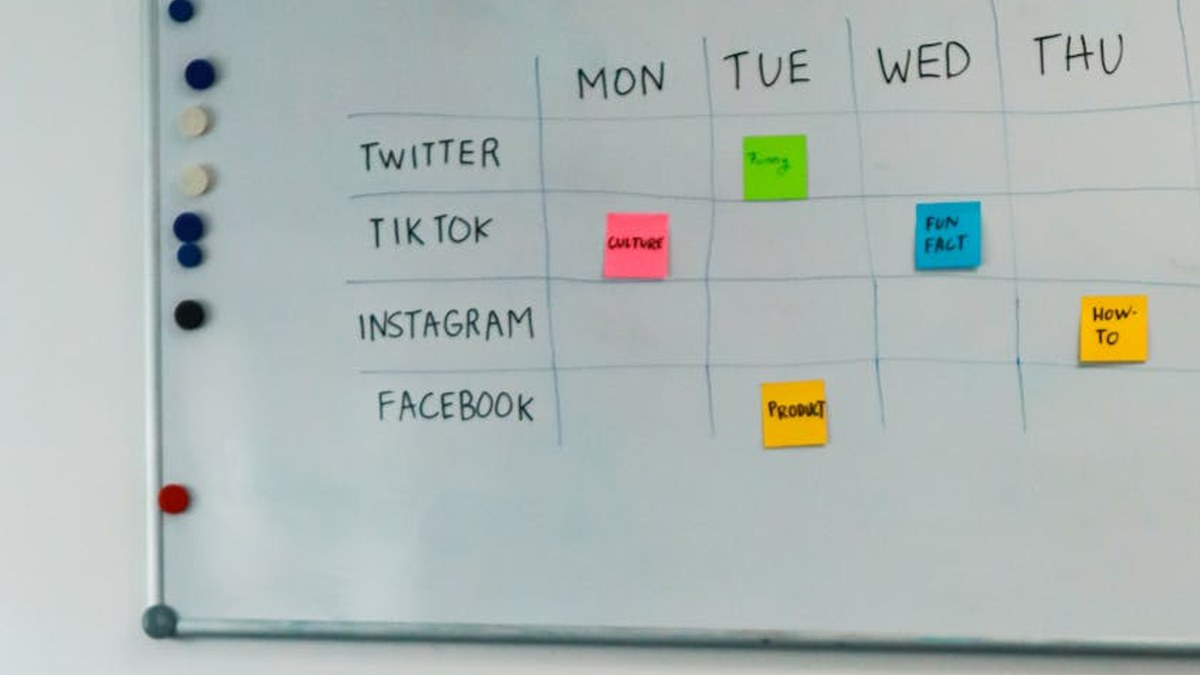
What a High-Performing Marketing Calendar Really Looks Like
A marketing calendar should do more than list dates. Here is what separates the ones that drive performance from the ones that just keep people busy.
How to Make Your Marketing More Human Without Losing Authority
The advice to "be more human" in marketing has produced a wave of forced informality and manufactured relatability that is often less human than the corporate language it replaced. Genuine humanity in marketing is a different and harder thing to achieve.

The Landing Page Mistakes That Are Quietly Costing You Conversions
Landing page optimisation attracts significant attention. The most common landing page problems are not subtle CRO challenges — they are basic structural errors that can be identified and fixed without sophisticated testing infrastructure.

Why Most Competitor Analysis Produces Insight Nobody Acts On
Competitor analysis is a standard marketing exercise that consistently produces comprehensive documentation and rarely produces meaningful changes in strategy or execution. Here is why — and what to do about it.

How to Run a Marketing Team Through a Period of Business Uncertainty
Market downturns, leadership changes, budget freezes, strategic pivots — uncertainty is the condition marketing teams operate in more often than not. The discipline of leading a team through it without losing momentum or quality is underrated and underteached.

The Follow-Up Problem — Why Most Marketing Stops Too Soon
Most marketing programmes invest heavily in the first impression and almost nothing in the second, third, and fourth. The compounding value of consistent follow-up — in content, in nurture, in relationship maintenance — is one of the most systematically underused commercial levers in marketing.

What Your Customer Onboarding Experience Reveals About Your Marketing
Customer onboarding is where the marketing promise meets the product reality. The gap between the two — in language, expectation, and experience — is one of the most reliable indicators of whether a brand's marketing is being honest about what it delivers.

How to Approach a Brand Refresh Without Losing Your Existing Audience
Brand refreshes are among the most disruptive things a marketing team can undertake — both internally and externally. The ones that succeed make the evolution feel inevitable. The ones that fail make it feel arbitrary.

The Paid Social Strategy That Actually Builds Brand Equity
Most paid social is designed to convert. The result is a channel that works for acquisition in the short term and actively undermines brand equity in the long term. Here is how to use paid social in a way that does both.

Why Short-Form and Long-Form Content Are Not in Competition
The debate between short-form and long-form content is one of the most persistently misframed arguments in marketing. They serve different purposes, reach audiences in different moments, and compound on each other when used correctly. The choice is not either-or.